The Most Significant Issue With Coffee Machine For Beans, And How You Can Fix It


Bean to Cup and Semi-Automatic Coffee Machines
A bean-to-cup coffee machine grinds whole beans, and then brews your desired drink all within the same device. This method offers richer and more authentic flavour than pre-ground or pod-based coffee.
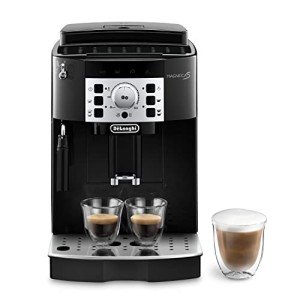
This Sage model has a hopper which can hold upto half a pound of coffee beans. It can be programmed to a high degree. It also runs a rinse cycle before and after brewing to keep grounds from being absorbed into the coffee maker or milk spout.
Bean-to-Cup
In contrast to pod coffee machines which serve sealed and pre-packaged cups, bean-to-cup models manage the entire coffee making process from start to the end. The models have an integrated coffee grinder that grinds the beans prior to every use, making sure they are fresh and delicious. They then brew to your exact specifications. With just a few button presses, you'll be enjoying the perfect cup of coffee exactly the way you like it!
Alongside the flexibility to create a range of different drinks, bean-to-cup machines also allow you to select your own particular coffee beans as well as the roast level. This allows you to create unique drinks and try out new flavor combinations that will delight your customers. You'll also save money in the long run because beans are less expensive than pre-packaged beans.
Bean-to-cup espresso machines can be less messy than traditional espresso machines. They don't require a portafilter or the necessity of an manual pour, meaning that you can eliminate the mess and waste and concentrate on other tasks. This is a great option for bars and restaurants with a high staff turnover.
Bean-to-cup equipment can also have an additional milk hopper, which can be heated and then texturised to achieve the perfect consistency for every drink. This lets you serve a wider variety of drinks. Many models come with the option of frothy, hot chocolate.
These machines that are automatic bean-to-cup are usually equipped with a menu that features popular coffee shop favorites. The machine does the rest. You only have to select the drink that you want. These machines are an excellent choice for businesses who want to make the process as simple and as automated as is possible.
Although they're less hands-on than a traditional coffee maker, they still need regular cleaning and descaling to prevent build-up. You'll typically have to use the brand-approved cleaning and descaling solution, or your machine may invalidate its warranty. Thankfully, this is generally easy and quick and you can usually create reminders for these tasks to help save time. You should also look into the terms and conditions of service for your chosen model. Some models will be more expensive. However, it's worth it to have the peace of mind that comes from knowing your machine is in good working condition at all times.
Pod
Pod coffee machines are made of ground beans that are sealed and pre-ground in coffee capsules that are individually packed. These are a convenient alternative to grinding and measuring out your own coffee and removing the mess of spills, stains, and dusting.
They also provide a level of consistency that makes them popular with those who require a consistent cup every time. The lack of freshness could result in an espresso that is less delicious than one made by an equipment that grinds beans freshly. In addition, the majority pods sold on the market are made from non-recyclable materials and the flavors offered are not as good as those offered by bean-to-cup machines.
There are many pod coffee makers available on the market. These include K-Cup, Nespresso and Dolce Gusto machines as well as Iperespresso and Dualit NX-ESE machines. The majority of pod coffee makers function similarly by heating water to nearly boiling and forcing it at high pressure through the coffee inside the capsule. The grounds are then removed, eliminating the necessity for messy espresso machine equipment like portafilters that must be free of coffee oils.
The simple design of pod machines can cut down the time needed to clean and maintain them. The majority of pod coffee makers require regular refills of the water reservoir.
The size of the reservoir can vary between models. However, most are small enough to be able to be set on the countertop of your kitchen. They also have a drip tray which can accommodate tall travel mugs and shorter espresso cups. Some models come with the option of rotating bases that can be adjusted to the shape of your home.
Some models are designed to be tucked away in a cupboard, with a built-in bin for empty pods, which can be removed without making a mess. Others could be more durable fixtures on your countertop, requiring you to keep a supply of both empty and full pods at hand.
The best pod coffee maker will depend on your preferences and budget. If you're looking to get the best coffee, then a bean to cup machine is for you. However, if convenience and ease of use are your priorities, the pod maker is an excellent option. If you're unsure of which to purchase, visit well-equipped showrooms and try the machines on in person to see how they perform before you make your purchase. You should also find out what kind of coffee you enjoy and test different brands until you find one you feel comfortable using at home. If Coffeee UK like the flavor you prefer, you can even buy single-estate coffees that come in pods to use in conjunction with your machine.
Semi-Automatic
Semi-automatic machines find the right balance between convenience and control. It requires some manual input, but it automatizes the most essential elements of the brewing process. For instance, you'll have to grind your beans and attach the portafilter but the machine will take care of providing pressurized water through the grounds. This kind of coffee maker is generally preferred by those who enjoy the artistry and hands-on experience of espresso making. You can also alter important variables of brewing, such as the size of the grind, the temperature, and extraction time to create the perfect cup of espresso.
The drawback is that this type of coffee maker is slower to operate than super-automatic or fully automated models. In addition, you'll have to be able to monitor the brew boiler as well as the steam wand to ensure that it's consistent. It's not the best option for coffee shops with large numbers and for those who want to take their coffee with them on the on the go.
If you're not willing to compromise on the quality of your coffee and are willing to spend more money, think about investing in a coffee maker that is bean-to-cup. It takes all the guesswork out. This type of model uses whole beans and produces consistent brews without losing flavor or aroma. It also features an integrated grinder, and provides a range of programmable settings for the ultimate in customization.
A piston-style coffee maker is another option. It's similar to the traditional lever machines. Instead of pulling down a lever, you'll push a button to start the pump. This type of machine allows you to regulate the amount of pressure you use for extraction, giving you complete control over your shot. This allows you to experiment with different methods and develop a distinctive style. You can also make use of a separate milk jug and steam wand to make latte and cappuccinos. Make sure to note that this machine isn't appropriate for hot chocolate or other non-espresso beverages as it won't produce enough steam to make them. This isn't to say that piston machines can't make top-quality drinks, but it's crucial to be aware of what you're buying before purchasing one.